- Home
- Case studies
- Detached hotel: a meter that would not stop
A detached hotel losing water around the clock, and a meter that only stopped at the stopcock
A detached hotel was losing an estimated 17 litres of water an hour. With the stopcock closed the meter stopped, so the loss was inside. A room-by-room inspection found the causes.
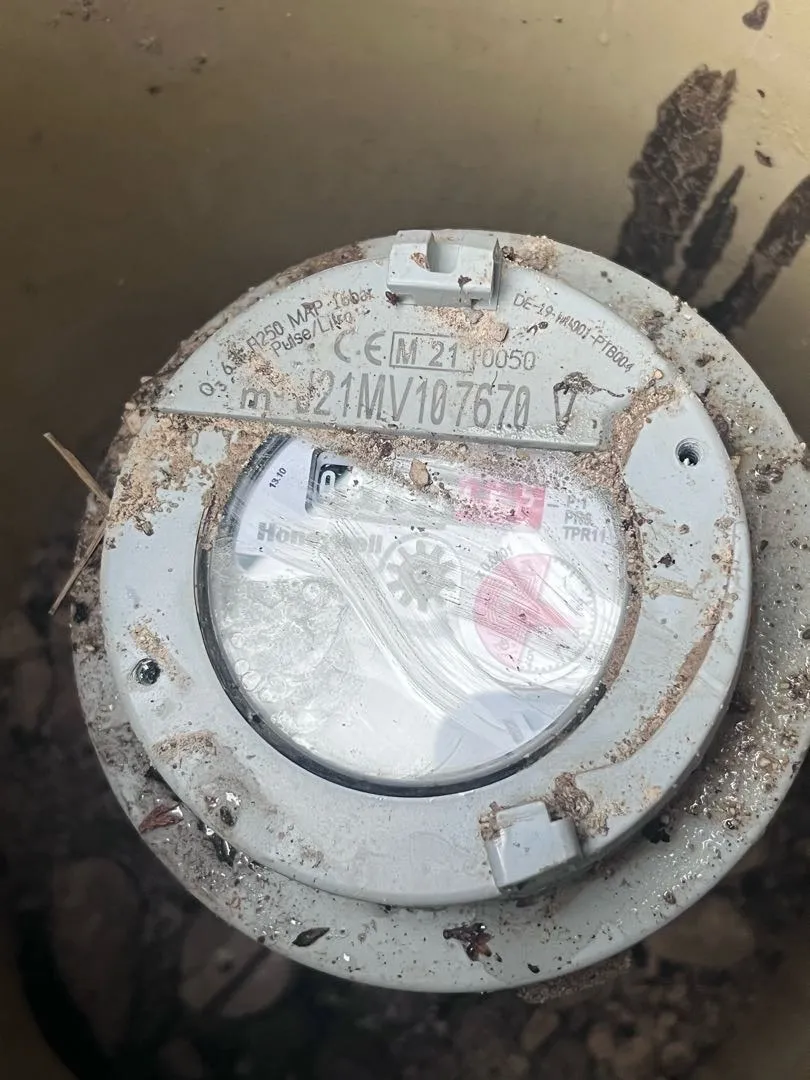
What was happening
The hotel's water meter kept turning. The leak rate was believed to be about 17 litres an hour, an estimate rather than a measured figure, and nobody could see where it was going.
What the engineer did
The engineer closed the internal stopcock and watched the meter. It stopped, which showed the water was being lost somewhere between the stopcock and the outlets inside the building. Every room was then inspected.
What was found
Toilets overfilling in several rooms, a lot of dripping taps, a leak in the boiler room and a leak from a recently installed washing machine.
What happened next
Everything that could be isolated was isolated, and the meter then showed minimal movement. A few toilets could not be isolated and the boiler-room drip remained. ADI recommended repairing the toilets, with new internals rather than whole units, and the taps, and was confident the meter would stop once those repairs were done. The repairs were left with the hotel.
If you run a hotel
Not every hotel leak is a burst pipe. Dozens of small faults, an overfilling cistern here and a dripping tap there, add up to a meter that never rests. A stopcock-and-meter check is the quickest way to learn whether the loss is inside the building at all.
More hotel and guest-house jobs
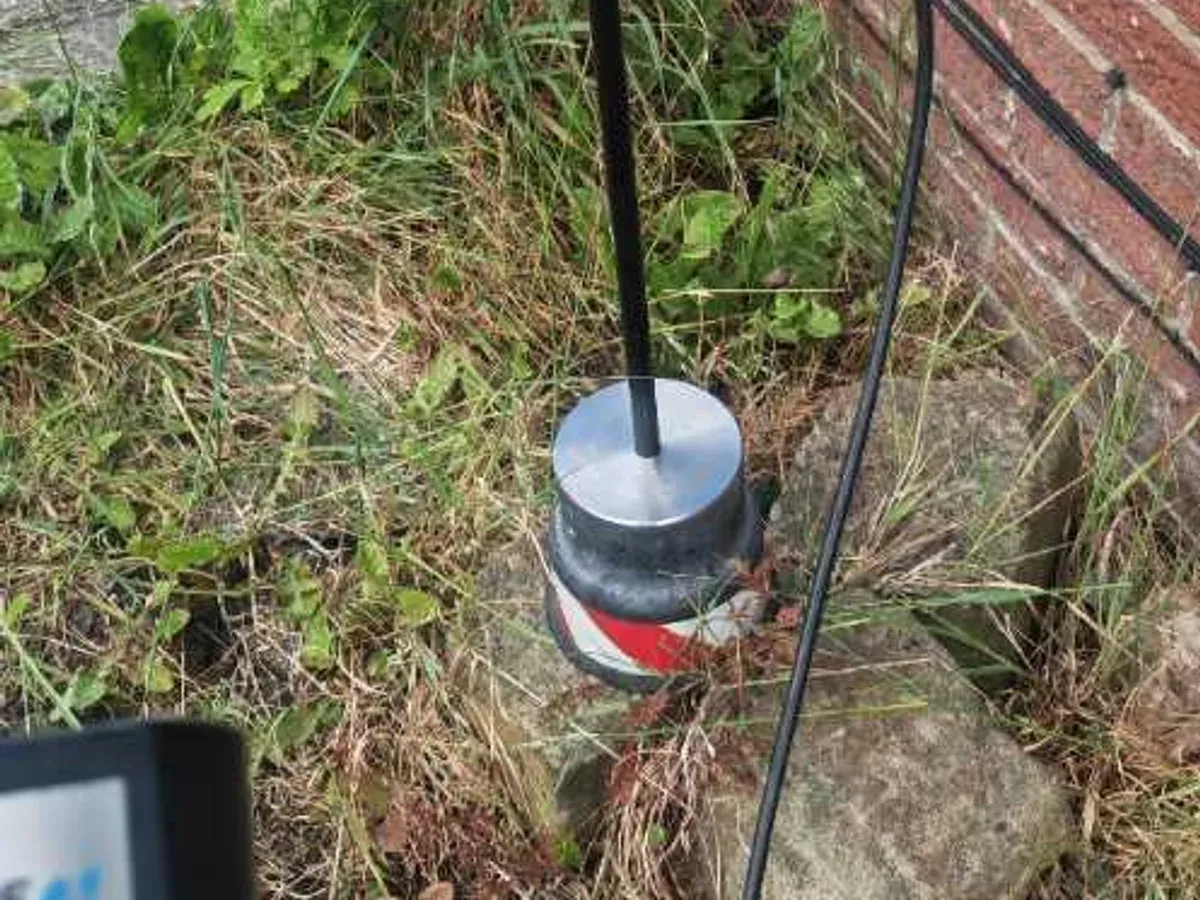
Refurbished hotel: a failed fitting under the garden bank
Weeks from reopening, the hotel's boosted supply to two garden taps lost pressure the moment the pump stopped. We traced it to a failed 25 mm fitting under a garden bank, replaced it and retested.
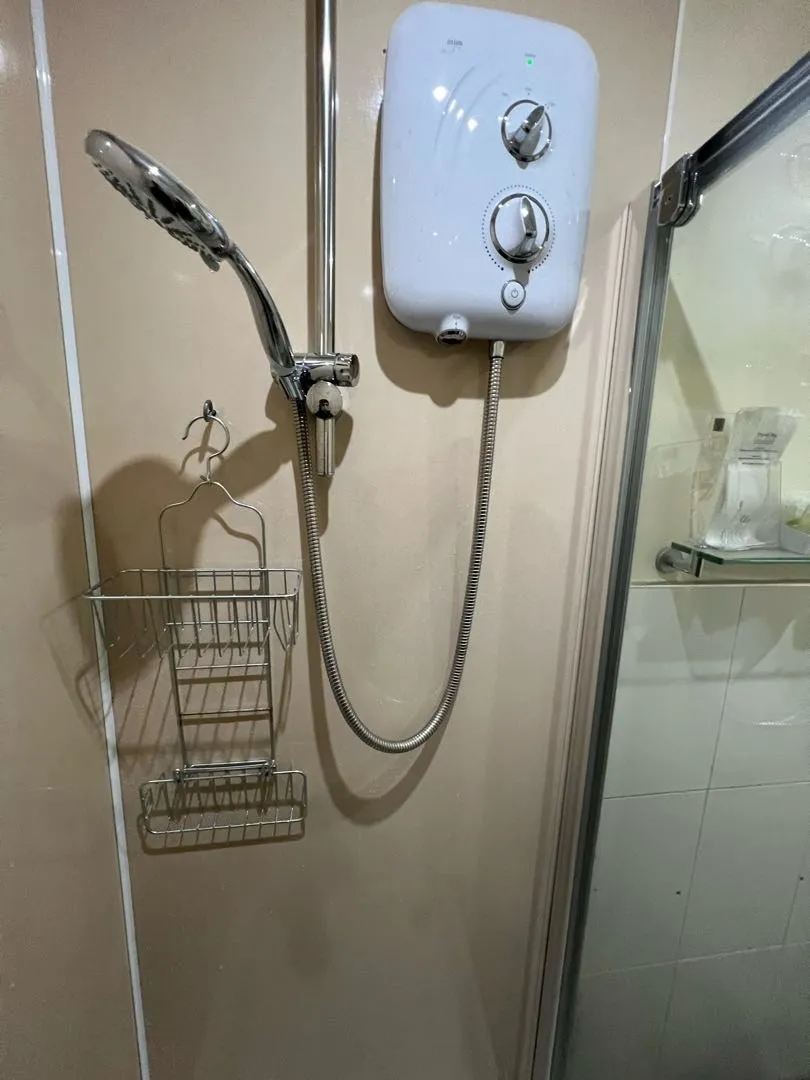
Guest house: ceiling drips traced to a shower connection
Water was dripping through two ceilings in a three-storey guest house with a complicated tank-fed system. Thermal imaging and an endoscope led to an electric shower connection on the top floor.